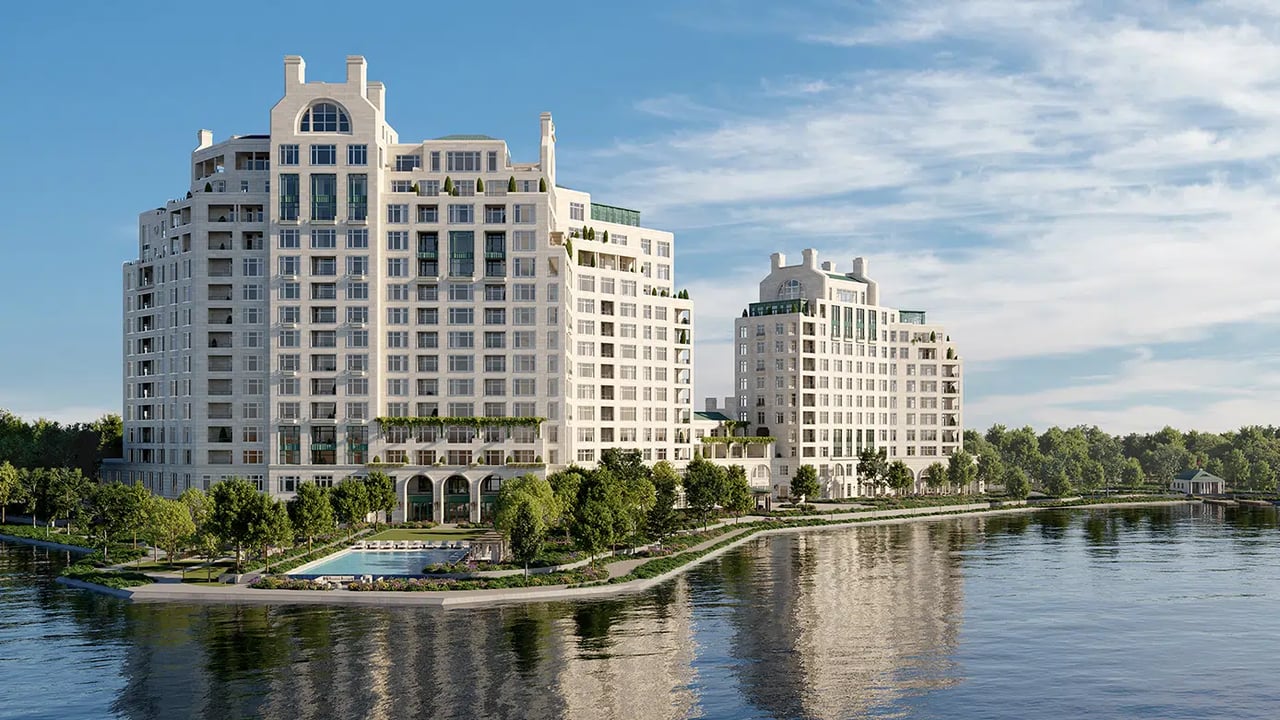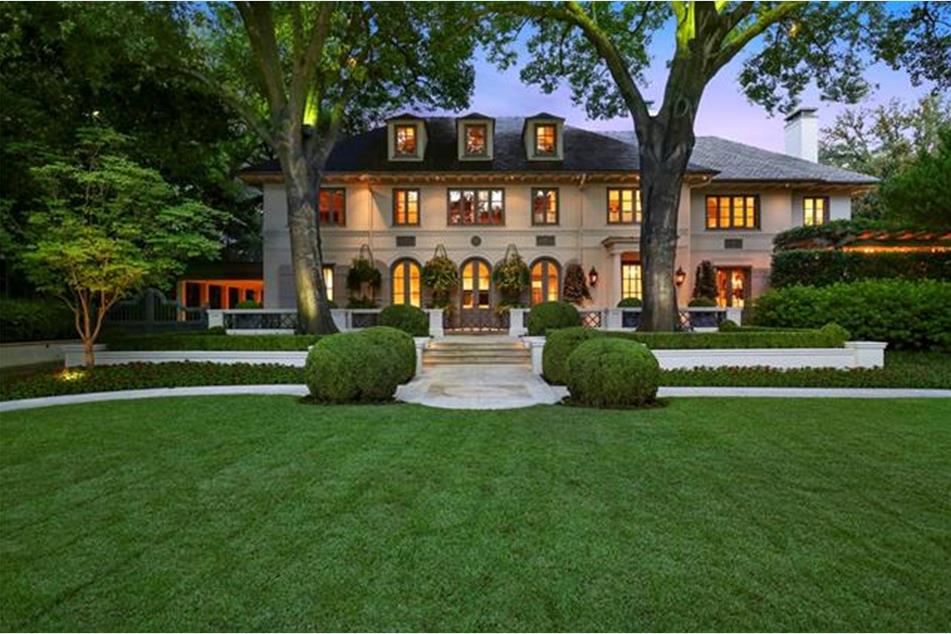
A Personal Welcome
Moving to a new city represents one of life's most significant transitions. At The Hawkins Group, we understand that relocating means more than finding the right address—it's about discovering the neighborhood where your life will unfold, the schools where your children will thrive, and the community where you'll build lasting connections.
As third-generation Dallas Realtors with nearly three decades of experience, we've guided hundreds of families through this journey. Our deep-rooted knowledge of Dallas's most prestigious neighborhoods, combined with our commitment to white-glove service, ensures your transition will be strategic, seamless, and perfectly tailored to your lifestyle.
This guide represents years of accumulated wisdom—the insights we wish every relocating client had from day one. Whether you're transferring for a corporate opportunity, seeking Texas's financial advantages, or simply ready for Dallas's unique blend of sophistication and warmth, we're honored to be your trusted advisors.

Brandon Hawkins & Tiffany Touchstone Hawkins
The Hawkins Group at Douglas Elliman Real Estate
Table of Contents
- Why Dallas? Understanding Your Decision
- The Dallas Advantage: Financial & Lifestyle Benefits
- Neighborhood Guide: Finding Your Perfect Community
- Your 90-Day Relocation Timeline
- Schools & Education: Public and Private Options
- Essential Setup: Utilities, Licensing & Local Services
- Healthcare, Transportation & Daily Life
- Cultural Landscape: Arts, Dining & Entertainment
- Your Relocation Checklist
- Frequently Asked Questions
- How The Hawkins Group Supports Your Move
1. Why Dallas? Understanding Your Decision
A City Built for the Future
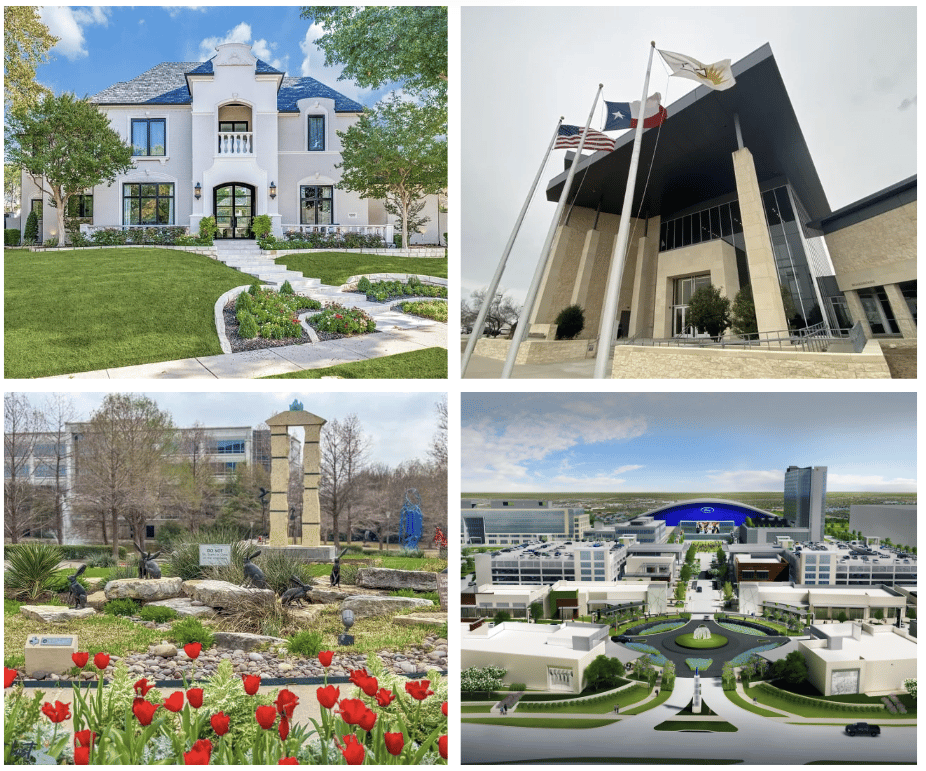
Dallas stands among America's fastest-growing metropolitan areas—and for compelling reasons. The city has successfully cultivated an environment where Fortune 500 headquarters coexist with tree-lined historic neighborhoods, where world-class cultural institutions flourish alongside family-friendly communities, and where ambitious professionals find both career opportunity and exceptional quality of life.
What Makes Dallas Distinctive:
Economic Vitality: Home to over 20 Fortune 500 headquarters, including AT&T, Southwest Airlines, and Texas Instruments, Dallas offers a diverse and resilient economy spanning technology, healthcare, finance, and energy sectors.
No State Income Tax: This single advantage can represent significant annual savings, particularly for high-earning professionals and dual-income households.
Architectural Diversity: From historic Highland Park estates to sleek modern builds in Uptown, Dallas offers remarkable variety in residential architecture and neighborhood character.
Strategic Location: Centrally positioned in the United States with two major airports, Dallas provides unparalleled connectivity for business travel and family connections.
Four-Season Living: Mild winters and genuine seasons allow for year-round outdoor activities, while the temperate climate supports beautiful landscaping and extensive outdoor living spaces.
Who Thrives in Dallas
Dallas particularly appeals to:
- Corporate Relocators: Executives and professionals transferring with major employers
- Growing Families: Parents prioritizing excellent schools and family-friendly communities
- Empty Nesters: Those seeking to rightsize into luxury properties with premium amenities and walkability
- Entrepreneurs: Business owners attracted to Texas's favorable tax environment and pro-business climate
- Luxury Buyers: Discerning clients seeking estate properties, architectural distinction, and elevated living
2. The Dallas Advantage: Financial & Lifestyle Benefits
Financial Considerations
No State Income Tax
Texas’s lack of state income tax creates immediate financial advantages. For a household earning $250,000 annually, this translates to approximately $12,500 in retained income compared to high-tax states. For a household earning $700,000 annually, the savings scale significantly—approximately $35,000 retained each year—funds that can be redirected toward mortgage payments, investments, or lifestyle enhancement.
(Quick math note: these examples assume a ~5% state income tax for comparison, like in many high-tax states.)
Property Taxes
Dallas property taxes are higher than national averages (typically 2-2.5% of assessed value), which funds excellent schools and municipal services. However, Texas homeowners benefit from a homestead exemption that reduces taxable value, and the lack of state income tax often results in a favorable overall tax position.
Cost of Living
While Dallas is more affordable than coastal markets like San Francisco or New York, it's not inexpensive. Luxury neighborhoods command premium prices—Highland Park estates regularly exceed $5 million, while newer luxury builds in Plano and Frisco offer compelling value at $800,000-$2 million.
Housing Value
Dallas real estate offers exceptional space and quality for the investment. Large lots, impressive square footage, and high-end finishes are standard in luxury markets. A $2 million investment in Dallas typically delivers significantly more home than comparable properties in major coastal cities.

Lifestyle Benefits
Sophisticated Yet Accessible
Dallas combines big-city amenities with genuine hospitality. The city's cultural scene rivals major markets—the Dallas Arts District is the nation's largest contiguous arts district—while maintaining an approachable, community-oriented character.
Exceptional Dining Scene
Dallas's culinary landscape has evolved dramatically, now featuring multiple Michelin-recognized establishments, celebrated local chefs, and diverse international cuisine. Highland Park Village, Knox-Henderson, and Bishop Arts District offer concentrated dining excellence.
Outdoor Living
The favorable climate supports extensive outdoor enjoyment. The Katy Trail offers 3.5 miles of urban greenway, White Rock Lake provides 1,015 acres of recreational space, and countless private golf clubs and country clubs facilitate year-round outdoor pursuits.
Community Connection
Dallas neighborhoods foster genuine community. Whether through school involvement, country club membership, or neighborhood organizations, families find meaningful connections that enhance daily life.

3. Neighborhood Guide: Finding Your Perfect Community
Highland Park: Timeless Prestige
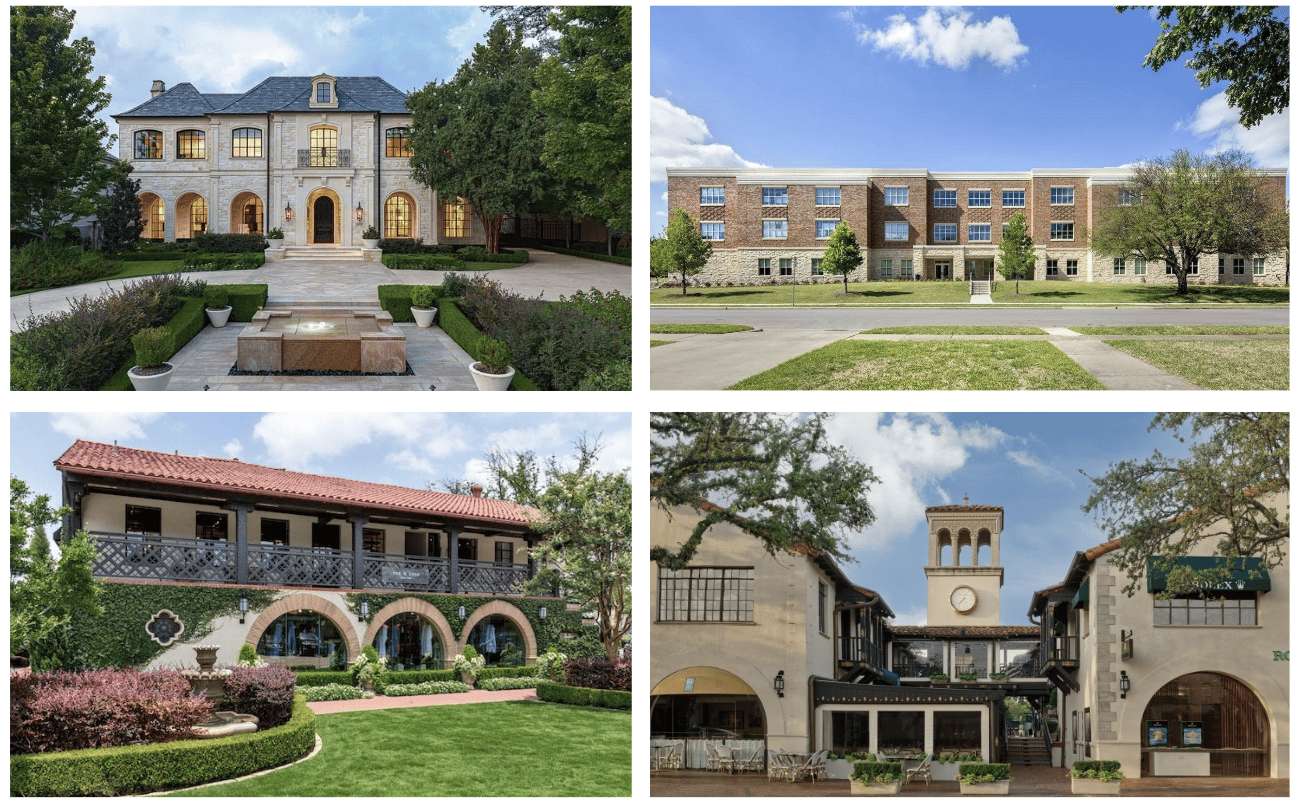
Character: Established in 1907, Highland Park represents Dallas's most prestigious address. Tree-canopied streets, historic architecture, and meticulous landscaping define this walkable enclave just minutes from downtown.
Housing: Predominantly custom estates on generous lots ranging from 7,500 to 20,000+ square feet. Architectural styles include Colonial, Georgian, Tudor, and Contemporary. Current pricing: $2 million to $20+ million.
Schools: Served exclusively by Highland Park Independent School District (HPISD)—consistently ranked among Texas's finest public school systems with exceptional test scores, graduation rates, and college placement.
Lifestyle: Highland Park Village (the nation's first planned shopping center) offers luxury retail and dining. The community supports an active lifestyle with the Katy Trail, numerous parks, and proximity to Uptown's restaurant scene.
Best For: Families prioritizing top-tier public education, established professionals seeking prestige and walkability, empty nesters desiring luxury maintenance-free options (condos/townhomes available).
University Park: Family-Focused Elegance
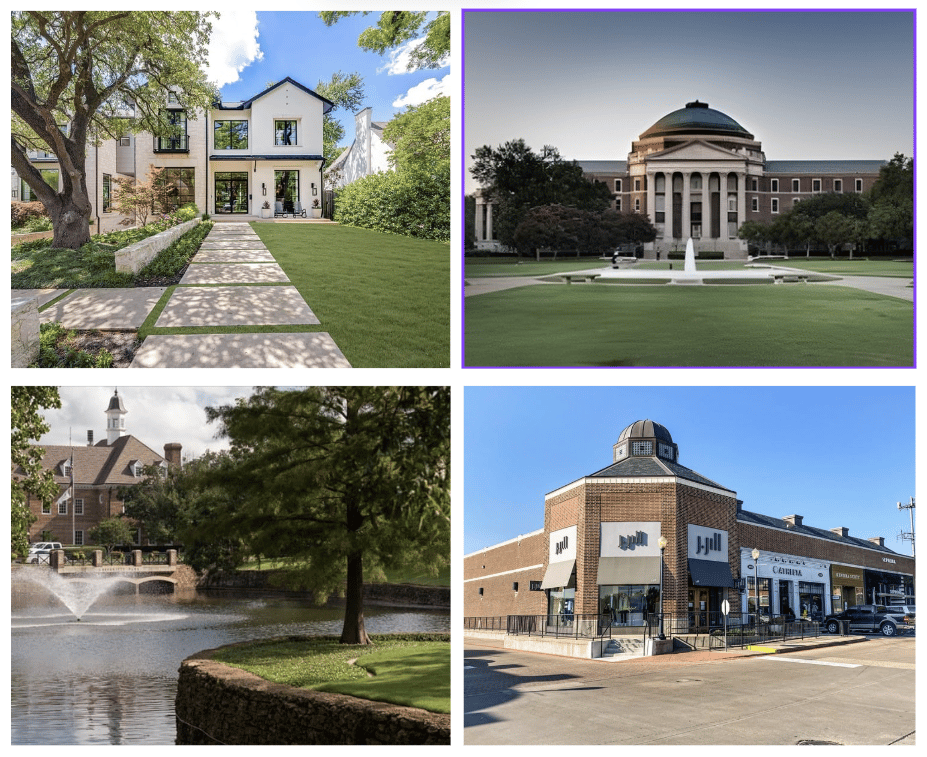
Character: Surrounding Southern Methodist University, University Park offers a slightly more relaxed atmosphere than Highland Park while maintaining similar quality and prestige. The community emphasizes family life and educational excellence.
Housing: Mix of historic estates and updated homes, typically ranging from 3,500 to 8,000+ square feet. Styles vary from traditional to transitional. Current pricing: $1.5 million to $8 million.
Schools: Also served by the exemplary Highland Park ISD, sharing all educational advantages with Highland Park.
Lifestyle: Strong neighborhood identity with active community involvement. Snider Plaza offers local shopping and dining. SMU's campus provides cultural programming and sporting events.
Best For: Families with school-age children, those seeking HPISD schools with slightly more accessible pricing than Highland Park, buyers preferring established neighborhoods with renovation opportunities.
Preston Hollow: Private Estate Living
Character: Dallas's most exclusive neighborhood for those seeking privacy and substantial acreage. Winding, tree-lined streets with minimal through-traffic create a serene, gated-estate atmosphere.
Housing: Large custom estates on lots frequently exceeding one acre. Architecture ranges from traditional to contemporary, with many properties featuring guest houses, pools, tennis courts, and extensive landscaping. Current pricing: $3 million to $30+ million.
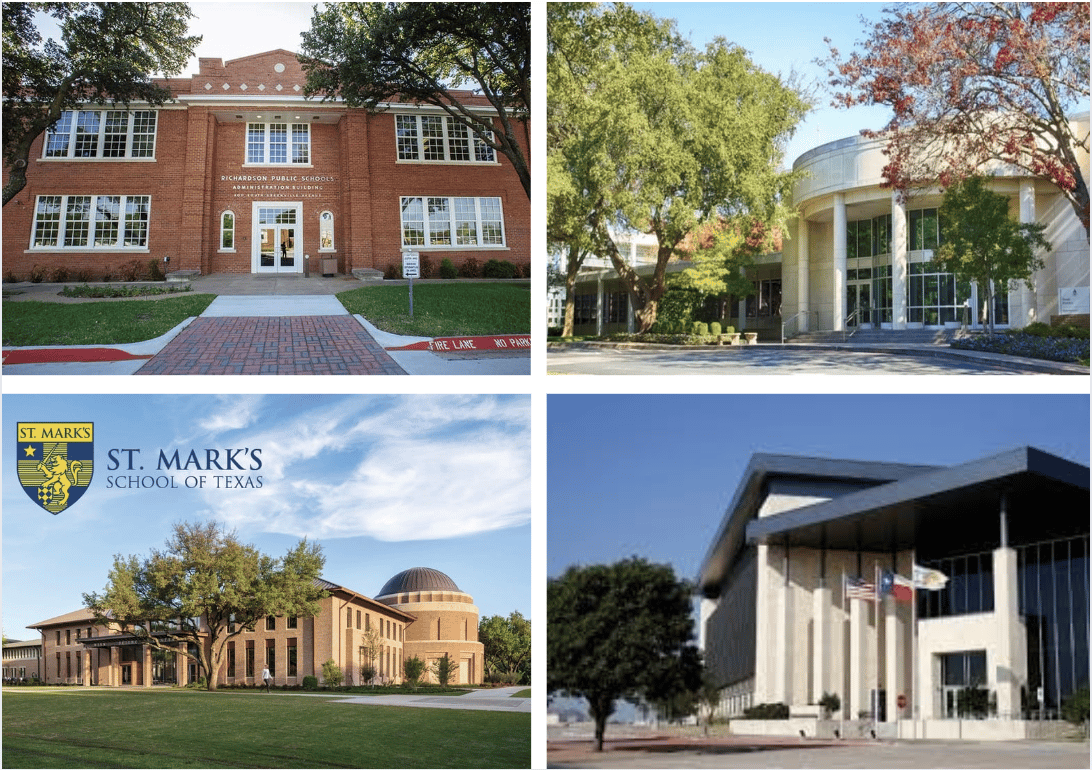
Schools: Primarily served by Dallas ISD, though many families choose prestigious private schools including Hockaday, St. Mark's, Jesuit, and ESD (Episcopal School of Dallas), all conveniently located nearby.
Lifestyle: Defined by privacy, prestige, and a “hidden-in-plain-sight” feel—large lots, gated drives, and a quiet residential atmosphere minutes from the city’s top dining, arts, and private schools. Residents often anchor their social and recreational life around nearby private clubs such as Preston Trail Golf Club and Royal Oaks Country Club (with additional options in adjacent neighborhoods). Everyday convenience is a major draw: quick access to Dallas Love Field, as well as major corridors like the Dallas North Tollway and NorthPark Center, makes commuting, shopping, and frequent travel notably easy.
Best For: High-profile executives, celebrities, business owners seeking maximum privacy and security, families utilizing private education, buyers desiring substantial property and custom architecture.
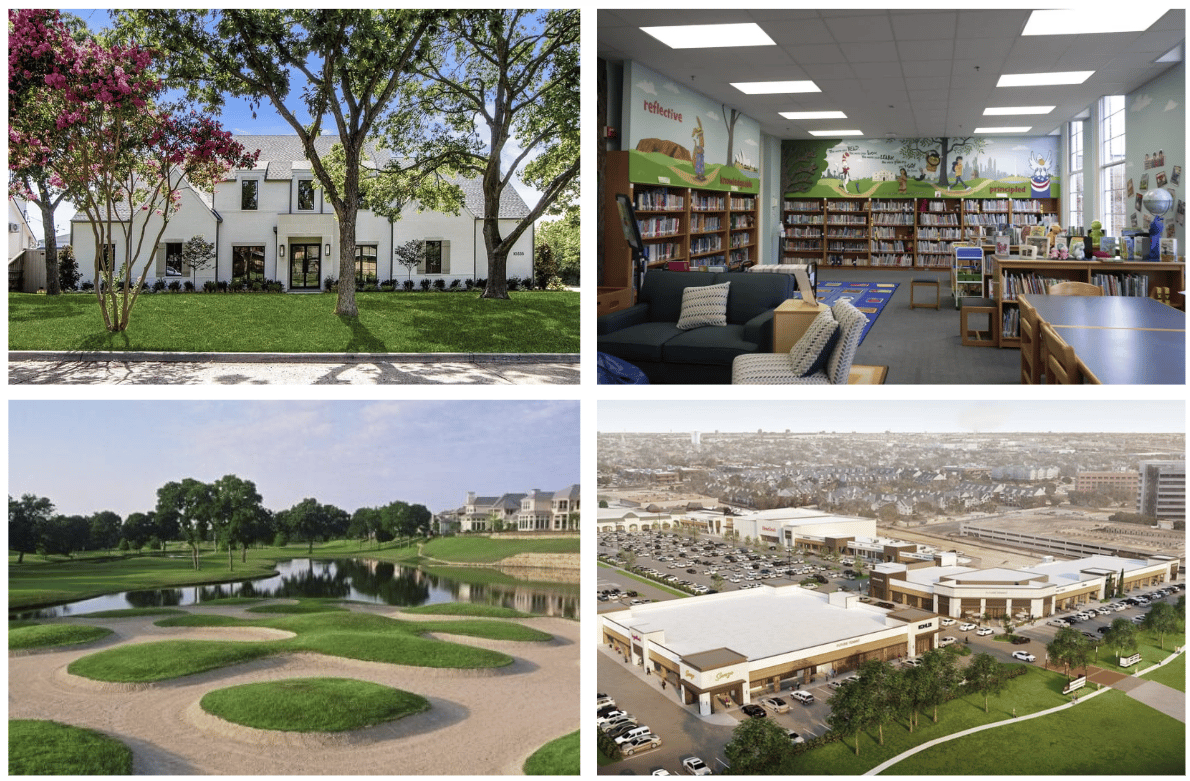
Uptown: Urban Sophistication
Character: Dallas's premier urban neighborhood, offering walkable high-rise living with immediate access to restaurants, nightlife, shopping, and entertainment.
Housing: Luxury condominiums and townhomes with exceptional amenities—concierge services, rooftop pools, fitness centers, and secured parking. Current pricing: $650,000 to $5+ million for penthouses.
Schools: Most Uptown residents without school-age children; families typically choose nearby private schools if living in this urban environment.
Lifestyle: Restaurant row (McKinney Avenue) provides dozens of dining options. The Katy Trail begins in Uptown. West Village shopping center offers convenience. This neighborhood attracts young professionals, empty nesters, and those prioritizing walkability over suburban space.
Best For: Empty nesters seeking lock-and-leave luxury, young professionals and executives preferring urban living, those who prioritize dining/entertainment access over space, frequent travelers valuing low-maintenance living.
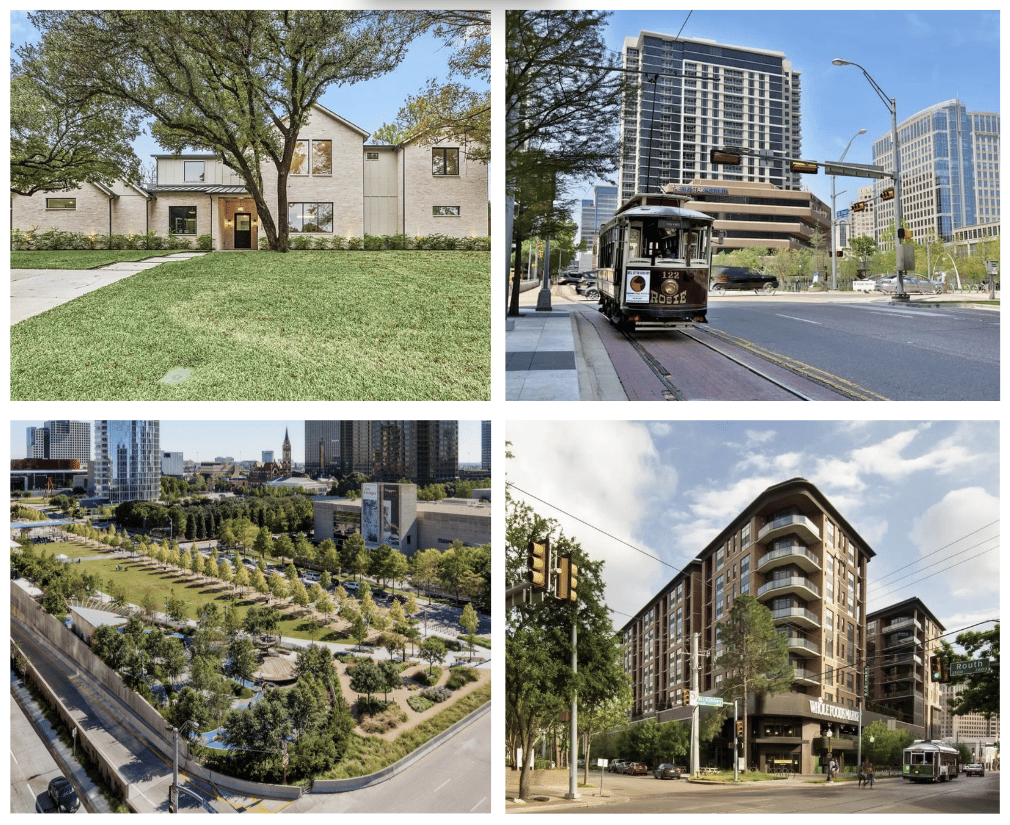
North Dallas: Diverse Luxury Options
Character: Broad designation encompassing multiple established neighborhoods north of Preston Hollow, offering variety in housing styles, price points, and community character.
Housing: Everything from mid-century modern homes to new construction, typically 3,000-7,000 square feet. Current pricing: $700,000 to $4 million.
Schools: Multiple districts including Richardson ISD (highly regarded), Dallas ISD zones, and easy access to excellent private schools.
Lifestyle: Strategic location provides easy access to both downtown Dallas and northern suburbs. Strong community feel with established neighborhoods, parks, and local shopping districts.
Best For: Families seeking value in the luxury segment, buyers wanting established neighborhoods with renovation potential, those prioritizing central location and school options.
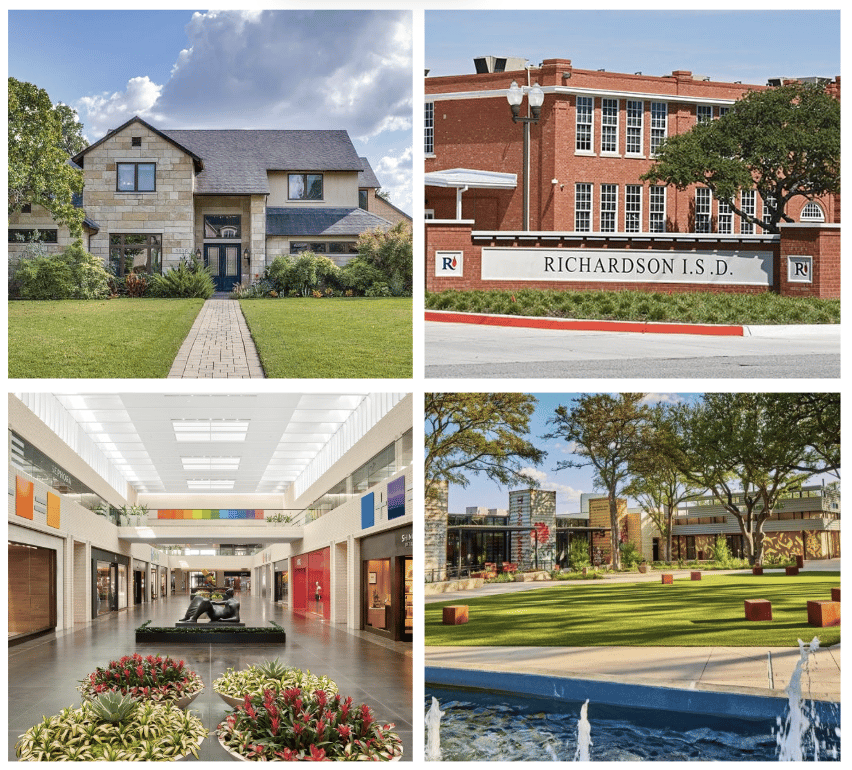
Plano: Master-Planned Excellence
Character: Plano has evolved from suburban community to sophisticated city offering corporate headquarters (Toyota North America, Liberty Mutual), luxury shopping (Shops at Legacy, Legacy West), and exceptional schools.
Housing: Mix of established neighborhoods and new luxury developments. Homes typically range from 3,000-8,000 square feet with modern amenities and open floor plans. Current pricing: $600,000 to $3 million.
Schools: Plano ISD consistently ranks among Texas's top-performing large school districts, with multiple schools achieving National Blue Ribbon recognition.
Lifestyle: The Legacy corridor offers upscale dining, shopping, and entertainment. Championship golf courses include Gleneagles Country Club and The Clubs of Prestonwood. Strong sense of community with numerous parks and recreational facilities.
Best For: Families prioritizing top public schools and modern homes, corporate relocators to northern Dallas, buyers seeking newer construction with luxury finishes, those wanting suburban space with urban amenities.
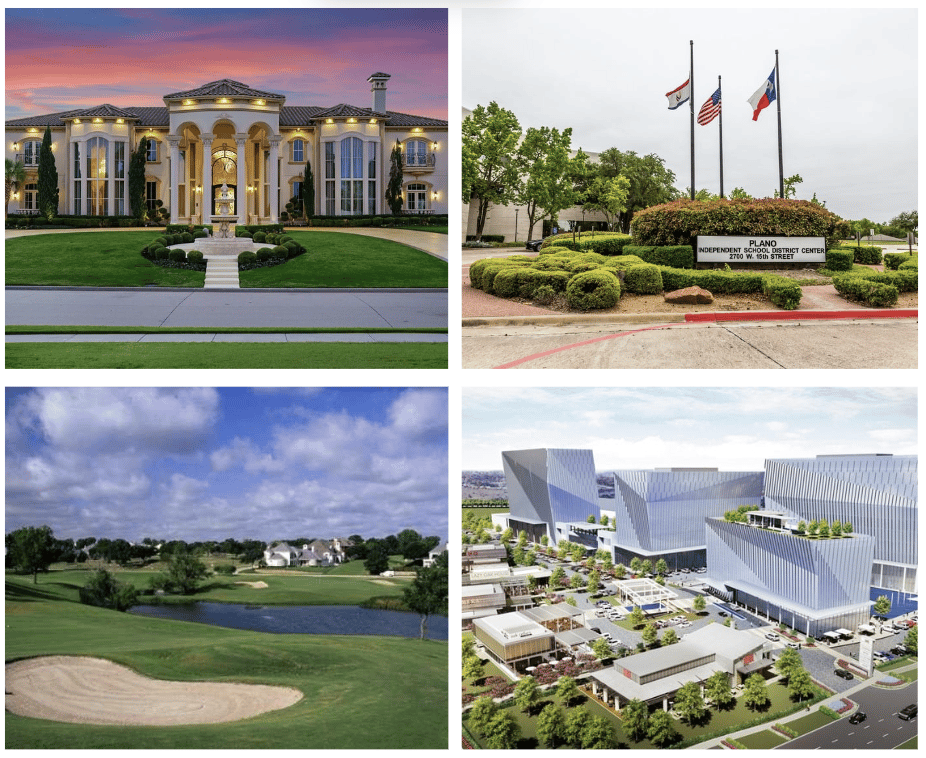
Frisco: Modern Luxury & Corporate Hub
Character: One of America's fastest-growing cities, Frisco has transformed into a destination for corporate headquarters (Dallas Cowboys, PGA of America), sports tourism, and master-planned communities.
Housing: Predominantly newer construction (2000s-present) featuring open concepts, modern design, and smart-home technology. Homes range from 2,500-10,000+ square feet. Current pricing: $500,000 to $5+ million.
Schools: Frisco ISD maintains an exceptional reputation with cutting-edge facilities, robust STEM programs, and extensive extracurricular offerings.
Lifestyle: The Star (Cowboys headquarters) anchors a major dining/entertainment district. Dr Pepper Ballpark, Stonebriar Centre (upscale mall), and numerous parks provide family entertainment. Multiple championship golf courses and country clubs.
Best For: Families with children seeking modern homes and top schools, corporate relocators to northern corridor, buyers preferring new construction over renovations, active families drawn to sports culture and facilities.
4. Your 90-Day Relocation Timeline
90 Days Before Move: Strategy, Access, and Optionality
Define the “non-negotiables” (and the tradeoffs you’ll accept)
- Commute tolerances by day/time (not just distance)
- School priorities: campus-specific, program needs (GT, SPED, language immersion), athletics, arts
- Lot size/privacy vs walkability vs proximity to airports/major corridors
- Must-haves vs “nice-to-haves” tied to real usage (gym, pool, guest suite, office, etc.)
Build a parallel-plan housing strategy (because closings slip)
- Plan A: Buy + close before arrival
- Plan B: Furnished interim lease in the same school zone/feeder pattern
- Plan C: Short-term corporate housing + storage + staged delivery
School intelligence (start here if you have kids)
- Identify target districts and specific campuses (boundaries matter)
- Confirm enrollment windows, waitlists (if applicable), required documentation, and transfer policies
- Map backup campuses in adjacent zones so you’re not boxed in by one address
- If private: begin admissions process, testing dates, and campus visits now
Financial + tax + liquidity readiness (for jumbo/high-net-worth moves)
- Pre-approval with full underwriting when possible (stronger than generic pre-qual)
- Verify cash-to-close strategy while maintaining liquidity (reserves still matter)
- Review insurance constraints early: roof age, pool, specialty coverage, wind/hail deductibles
- Coordinate with CPA if you’re timing bonuses/equity events near the move
Mover and logistics selection (white-glove standards)
- Bid at least 3: long-distance, high-value inventory, art/wine/fragile capability
- Confirm valuation coverage, claims process, and packing quality standards
- Decide what ships vs what you replace locally (often cheaper than moving)
60 Days Before Move: Commitments, Risk Management, and Timeline Control
Property selection with “operational due diligence”
- Commute drive tests at realistic hours (school drop-off + peak traffic)
- Noise checks: flight paths (Love Field), major roads, construction activity
- Utility and infrastructure: internet options, cell coverage, electrical panel capacity, generator readiness (if relevant)
Offer + contract strategy (competitive but rational)
- Use a terms strategy, not only price: option period, appraisal posture, leaseback
- Align closing date to school calendar and your move logistics
- Negotiate repair credits vs repairs depending on timeline and contractor availability
Inspection stack (beyond the basic)
- General inspection + roof specialist (esp. hail history)
- Sewer scope (where relevant), foundation review, pool inspection, termite
- HVAC performance + ducting, drainage grading, sprinkler system
School execution (records + requirements)
- Request transcripts/records now (districts can take weeks)
- Confirm immunization compliance and any required physicals
- If you’ll arrive mid-year, confirm start-date procedures and schedule pickup
- Build a “school enrollment file” (PDF + hard copies) for fast submission
Temporary housing plan locked
- If needed, secure interim housing within your intended school boundaries
- Decide what arrives when: essentials shipment vs full container delivery
30 Days Before Move: Finalization, Systems Setup, and First-Week Readiness
School Enrollment (Must be completed before arrival whenever possible)
If you have school-age children, initiate and submit enrollment requirements 30+ days before your move so placement is ready when you arrive.
Confirm the exact campus tied to your new address (boundaries can change by street)
Submit enrollment packet and required docs: proof of residency (lease/contract + utility if required), immunization record, birth certificate/passport, transcripts/withdrawal form
Request and track transfer of student records (some districts take 2–4 weeks)
Lock in logistics: registration appointment (if needed), orientation date, bus eligibility, after-school care, and any program placement (GT/SPED/ESL)
Create a “School Go-Bag” folder (digital + printed) for move week: copies of all forms, logins, counselor contact, schedules
Closing + final walkthrough readiness
- Confirm all lender conditions are satisfied early (avoid last-week fire drills)
- Final walkthrough checklist: repairs, appliances, irrigation, gates, garage doors, security panels
Texas utilities + home operations (pro move)
- Electricity provider selection (deregulated market) + scheduled start dates
- Water/trash setup + HOA onboarding (if applicable)
- Internet installed before move-in day if you WFH
- Security: re-key, codes reset, camera placements, alarm monitoring
Insurance and compliance
- Homeowners bound and validated against lender requirements
- Auto policy updated for Texas
- If you have valuables: schedule jewelry/collection riders before move-in
Medical + continuity
- Transfer medical/dental/vet records
- Identify concierge/primary care options (if desired) and urgent care closest to home
- Refill prescriptions ahead of travel
Move execution details
- Inventory and photo documentation for high-value items
- “Open-first” boxes plan: bedding, kitchen essentials, kids’ school items, tools
- Arrange cleaning service + any pre-move repairs/paint while house is empty
Moving Week: Precision and Quality Control
Delivery-day systems
- Walkthrough with movers, label rooms clearly, protect floors/walls
- Photograph condition on arrival; note damage immediately
- Test critical systems same day: AC, hot water, appliances, gates
Day-1 functionality
- Bedrooms + bathrooms + Wi-Fi fully operational
- Set up a “command station”: chargers, documents, school info, tool kit
First 30 Days After Move: Integration and Optimization (Not the “Basics”)
Residency + vehicles (do it efficiently)
- Texas DPS appointment scheduled (these can be backed up)
- Vehicle inspection + registration sequence planned to minimize trips
School Landing & Routines
- Confirm schedules, tech logins, transportation, lunch accounts, and after-school activities in your first week.
Home optimization
- Establish service roster: HVAC, pool, landscaping, pest, handyman
- Seasonal planning: hail readiness, drainage, tree trimming
- Evaluate home improvements after you live in it for a few weeks (avoid regret upgrades)
Community + network
- Join neighborhood groups (HOA, local parent groups, private club/social options if relevant)
- Identify your “daily loop”: grocery, gym, coffee, dry cleaner, parks
- Build your local professional bench: CPA, estate attorney, insurance broker
5. Schools & Education: Public and Private Options
Understanding Texas School Districts
Texas operates on an Independent School District (ISD) system. Unlike many states where school districts align with municipal boundaries, Texas ISDs often cross city lines. Your home's address determines school zoning—not the city name on your mail.
Example: A home with a Dallas address might be zoned for Richardson ISD, Highland Park ISD, or Plano ISD depending on specific location.
Critical Step: Always verify your prospective home's school assignment on the specific ISD website before making purchase decisions. School boundaries occasionally shift, and online real estate platforms don't always reflect current zoning.
Premier Public School Districts
Highland Park Independent School District (HPISD)
Coverage: Highland Park and University Park exclusively
Distinction: Consistently ranked among Texas's finest public schools with exceptional test scores, 99%+ graduation rates, and extraordinary college placement including Ivy League acceptances.
Character: Rigorous academics, robust fine arts programs, competitive athletics, and strong parental involvement. The district's small size (approximately 7,000 students K-12) allows for personalized attention.
Considerations: Property values reflect school quality; homes within HPISD command premium pricing specifically due to school assignment.
Plano Independent School District
Coverage: Plano and portions of surrounding communities
Distinction: Large district (over 50,000 students) maintaining consistent excellence across numerous campuses. Multiple schools have achieved National Blue Ribbon recognition.
Character: Strong STEM programs, extensive AP offerings, excellent fine arts and athletics. The district's size provides more specialized programs and diverse course options than smaller districts.
Considerations: Research specific elementary and middle school assignments, as quality can vary slightly across the district's many campuses.
Frisco Independent School District
Coverage: Frisco and portions of surrounding communities
Distinction: Rapidly growing district maintaining high academic standards despite expansion. Known for cutting-edge facilities and technology integration.
Character: Modern campuses with advanced technology, strong extracurriculars, excellent athletics and fine arts programs. The district has worked to maintain quality during significant growth.
Considerations: Newer schools mean less established track records, though the district's overall performance remains strong.
Richardson Independent School District
Coverage: Richardson and portions of North Dallas
Distinction: Well-established district with strong academic performance and excellent value proposition. Several campuses offer specialized programs like International Baccalaureate (IB).
Character: Diverse student population, solid academics, good college preparation. Less prestigious than HPISD but offers excellent education at more accessible price points.
Considerations: Research specific campus assignments; the district's best schools rival more expensive options.
Elite Private Schools
Dallas offers exceptional private education options across various educational philosophies, religious affiliations, and grade levels.
The Hockaday School (Girls, K-12)
All-girls independent school with rigorous academics, extensive arts programs, and strong college placement. Emphasis on developing confident, principled young women. Tuition: ~$35,000-$40,000 annually.
St. Mark's School of Texas (Boys, 1-12)
All-boys independent school known for academic rigor, character development, and tradition. Exceptional college placement and strong alumni network. Tuition: ~$35,000-$40,000 annually.
Episcopal School of Dallas (ESD) (Co-ed, PK-12)
Episcopal-affiliated school offering exceptional academics in a values-centered environment. Strong athletics and arts programs. Tuition: ~$33,000-$38,000 annually.
Jesuit College Preparatory School (Boys, 9-12)
Catholic all-boys high school emphasizing academic excellence, spiritual growth, and service. Rigorous curriculum with strong college placement. Tuition: ~$20,000-$25,000 annually.
Ursuline Academy of Dallas (Girls, 9-12)
Catholic all-girls high school combining academic rigor with spiritual formation. Strong sense of sisterhood and community service. Tuition: ~$20,000-$23,000 annually.
Greenhill School (Co-ed, PK-12)
Independent school with progressive approach emphasizing inquiry-based learning, creativity, and social responsibility. Strong academics and intimate campus setting. Tuition: ~$33,000-$38,000 annually.
The Lamplighter School (Co-ed, PK-4)
Early childhood and lower school known for child-centered approach, strong foundation, and seamless transitions to competitive K-12 private schools. Tuition: ~$28,000-$32,000 annually.
Alcuin School (Co-ed, PK-6)
Small independent school emphasizing academic excellence, character development, and individualized attention. Many students transition to competitive secondary schools. Tuition: ~$25,000-$28,000 annually.
Private School Considerations
Application Timing: Most private schools require applications in fall/winter for the following academic year. Some schools maintain waitlists and occasionally accept mid-year transfers.
Admission Selectivity: Elite Dallas private schools are highly competitive. Early application, demonstrated interest, and strong academic records improve admission chances.
Financial Assistance: Most private schools offer need-based financial aid and some merit scholarships. Inquire during the admission process.
Transportation: Most private schools don't provide bus service. Families typically arrange carpools or private transportation.
6. Essential Setup: Utilities, Licensing & Local Services
Electricity: Navigating Texas’s Deregulated Market
The System: Texas operates a deregulated electricity market—you actively choose your retail electric provider (REP) rather than being assigned a utility. In much of Dallas, Oncor delivers the power lines, but you purchase electricity from competing retail providers.
How to Choose (DIY via the state marketplace):
- Visit
PowerToChoose.org(official state resource) - Enter your new address and estimated monthly usage
- Compare plans based on rate structure, contract length, and terms
- Consider fixed-rate plans for budget predictability
- Read the Electricity Facts Label (EFL) carefully—many “great rates” only apply at specific usage tiers
- (Recommended if you don’t want the PowerToChoose confusion): Use Energy Ogre
If you’d rather not spend time sorting through plan fine print and pricing tiers, Energy Ogre will shop plans for you and manage switching as better options appear. Sign up here.
Timing: Schedule connection 2–3 weeks before move-in. Most providers require a deposit or credit check.
Pro Tip: Dallas summers are hot—expect higher usage June–September. Many residents find 1,500–2,500 kWh/month typical for larger homes during peak cooling season.

Gas Service
Provider: Atmos Energy serves most of Dallas-Fort Worth.
Setup: Call or visit atmosenergy.com to establish service. Standard connection typically occurs within 24-48 hours.
Considerations: Natural gas powers most heating systems, water heaters, ranges, and outdoor grills in luxury homes.
Water, Sewer & Trash
Municipal Services: Water, sewer, and trash collection are managed by your specific municipality (City of Dallas, Town of Highland Park, City of Plano, etc.).
Setup: Contact your city's utility department to establish service. Most cities offer online account setup.
Considerations: Billing structures and rates vary by municipality. Some cities include trash/recycling in water bills; others bill separately.
Internet & Cable
Providers: AT&T Fiber, Spectrum, and Frontier offer service across Dallas, though availability varies by specific address.
Recommendation: AT&T Fiber provides the fastest, most reliable service where available (up to 5 Gig speeds). Spectrum cable is widely available as an alternative.
Setup: Schedule installation 2-3 weeks in advance, especially during summer moving season when installers are busy.
Texas Driver's License
Requirement: Texas law requires new residents to obtain a Texas driver's license within 90 days of establishing residency.
Process:
- Make an Appointment: Visit the Texas DPS website (dps.texas.gov) and schedule an appointment. Walk-in wait times can exceed 3-4 hours.
- Gather Documents: Bring proof of identity (current driver's license), proof of Social Security number (SSN card or W-2), and two proofs of Texas residency (utility bill, lease/purchase agreement).
- Complete Application: Fill out the driver's license application (available online).
- Take Vision Test: Simple vision screening administered on-site.
- Surrender Out-of-State License: Texas requires you to surrender your previous license.
- Receive Temporary License: You'll leave with a paper temporary license; the permanent card arrives by mail within 2-3 weeks.
Cost: Approximately $35 for a standard driver's license (varies by license class and duration).

Vehicle Registration
Requirement: Register vehicles within 30 days of establishing Texas residency.
Process:
- Obtain Safety Inspection: Visit any state-registered inspection station (most auto repair shops) for a safety inspection. Cost: $7-$25.
- Gather Documents: Bring current registration, title (or lienholder information), insurance proof, and VIN verification (provided during inspection).
- Visit County Tax Office: Go to your county tax assessor-collector's office (Dallas County, Collin County, etc.). Some counties offer online renewal but require in-person for initial out-of-state registration.
- Pay Registration Fees: Varies by vehicle weight and county. Expect $50-$150+ annually.
- Receive License Plates and Registration: You'll receive Texas plates and registration sticker immediately.
Considerations: If you have a vehicle loan, ensure the lienholder is correctly listed in the state's system.
Homestead Exemption (Property Tax Reduction)
What It Is: Texas offers a homestead exemption that reduces your home's taxable value, lowering annual property taxes.
Eligibility: Must be your primary residence as of January 1st of the tax year.
Benefit: Typical savings range from $500-$2,000+ annually depending on home value and specific jurisdiction exemptions.
How to File: File an Application for Residential Homestead Exemption with your county appraisal district (available online). Deadline: April 30th, though late applications are accepted with penalties.
7. Healthcare, Transportation & Daily Life
Healthcare Excellence
Dallas hosts some of the nation's premier medical institutions:
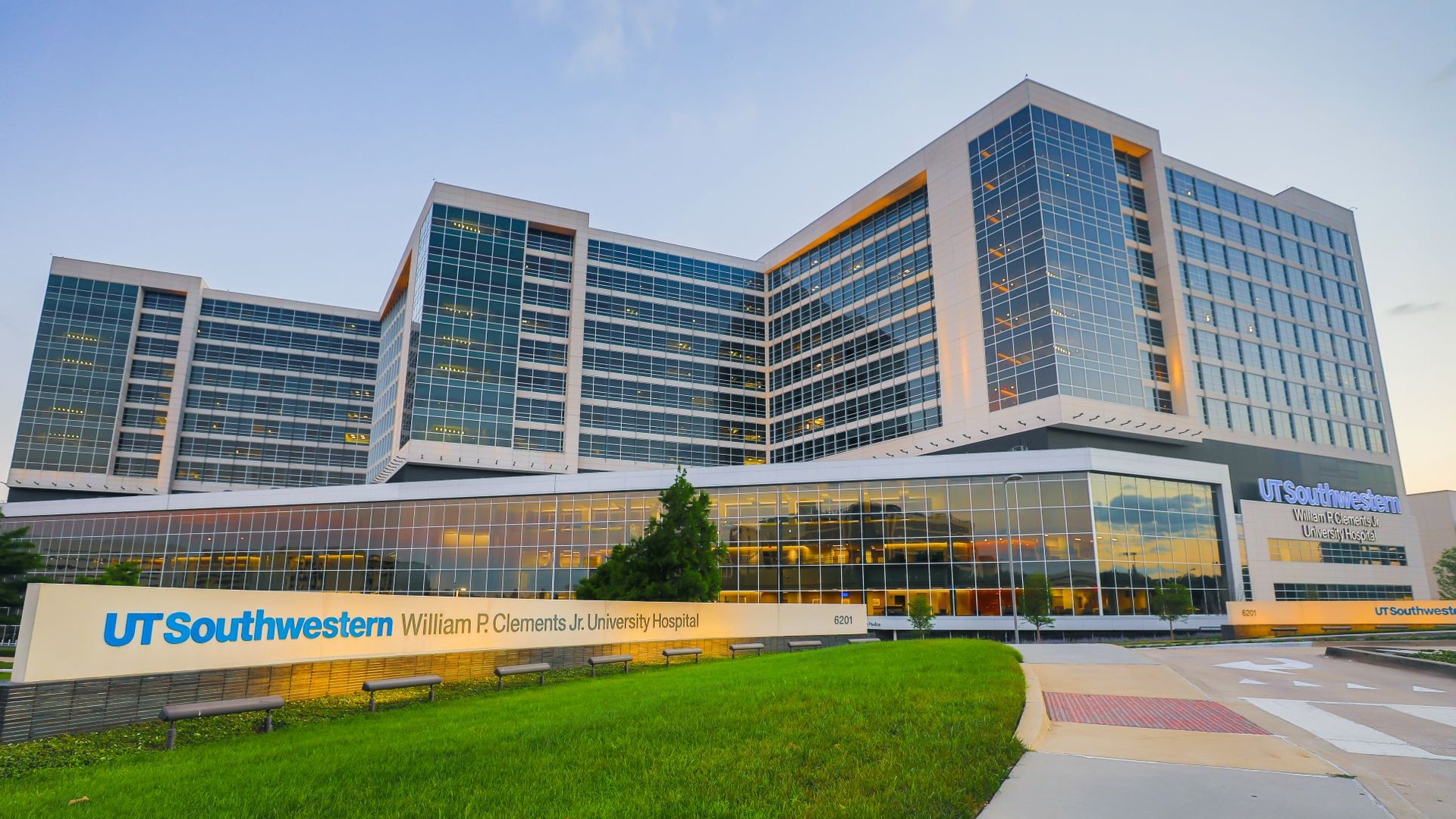
UT Southwestern Medical Center: Consistently ranked among America's top hospitals, offering advanced care across all specialties. Multiple campus locations throughout Dallas.
Baylor Scott & White: Comprehensive healthcare system with numerous locations, excellent specialists, and patient-focused care.
Children's Medical Center: Nationally ranked pediatric hospital system with specialized care for children across multiple campuses.
Methodist Health System: Quality care with convenient locations throughout Dallas.
Texas Health Resources: Extensive network of hospitals and physicians across the metroplex.
Recommendation: Establish relationships with primary care physicians, pediatricians, dentists, and specialists shortly after relocating. Many highly regarded practitioners have limited availability for new patients.
Transportation Infrastructure
Dallas North Tollway (DNT): Primary north-south corridor connecting downtown Dallas through Preston Hollow, North Dallas, Plano, and Frisco. Toll road requiring TollTag or ZipCash.
Central Expressway (US-75): Free north-south highway running parallel to DNT, serving downtown Dallas through Richardson and Plano.
LBJ Freeway (I-635): Major east-west corridor circling north Dallas.
TollTag System: Obtain a TollTag (electronic toll collection device) from NTTA (North Texas Tollway Authority). Avoid the significantly higher ZipCash rates charged to non-TollTag users.
DART (Dallas Area Rapid Transit): Light rail and bus system serving downtown Dallas, Uptown, and various suburbs. Limited coverage in luxury residential areas; most residents rely on personal vehicles.
Parking: Ample and typically free in suburban areas. Downtown and Uptown parking varies from free street parking to paid garage/valet.
Airports
Dallas/Fort Worth International (DFW): One of the world's largest and busiest airports, located centrally between Dallas and Fort Worth. Primary hub for American Airlines. Average drive time from Park Cities: 25-35 minutes.
Dallas Love Field (DAL): Smaller airport conveniently located within Dallas city limits, serving primarily Southwest Airlines. Average drive time from Park Cities: 10-15 minutes.

Daily Essentials
Grocery: Whole Foods, Central Market (H-E-B’s upscale grocer with Dallas locations), Tom Thumb, Kroger, and Trader Joe’s offer variety and convenience throughout luxury neighborhoods.
Farmers Markets: Dallas Farmers Market (largest, year-round downtown location), various neighborhood farmers markets spring-autumn.
Dry Cleaning: Convenient locations throughout neighborhoods; many offer pickup/delivery service.
Fitness: Equinox, Lifetime Fitness, CorePower Yoga, Pure Barre, Orange Theory, and boutique studios serve luxury neighborhoods.
Pet Care: Numerous veterinary clinics, grooming services, and premium pet supply stores throughout Dallas.
8. Cultural Landscape: Arts, Dining & Entertainment
Arts & Cultural Institutions
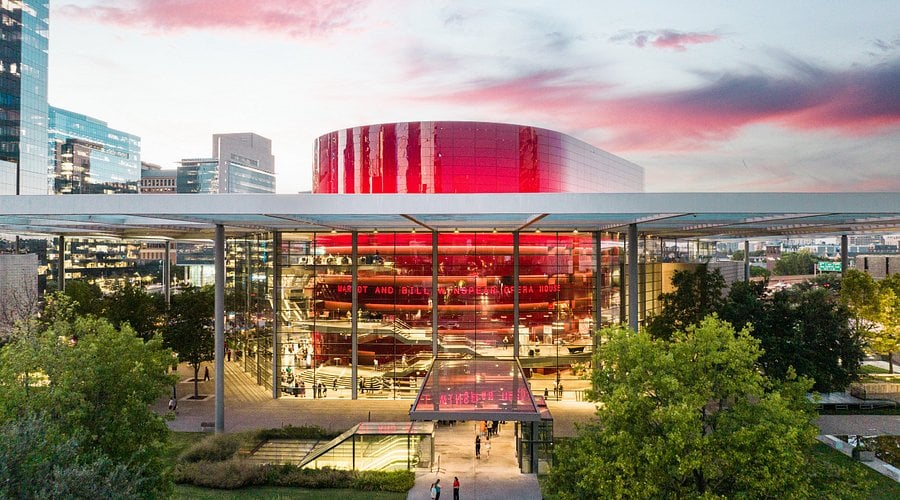
Dallas Arts District: The nation's largest contiguous urban arts district offers world-class cultural experiences:
Dallas Museum of Art: Free general admission, outstanding collection spanning 5,000 years.
Nasher Sculpture Center: Renowned modern and contemporary sculpture collection in architectural gem designed by Renzo Piano.
Winspear Opera House: Home to Dallas Opera and world-class performances.
Meyerson Symphony Center: Acoustically brilliant concert hall hosting Dallas Symphony Orchestra.
AT&T Performing Arts Center: Multiple venues presenting Broadway touring shows, dance, and diverse performances.
Crow Museum of Asian Art: Free admission, intimate setting showcasing Asian art and culture.
Michelin-Recognized Dining
Dallas achieved Michelin Guide recognition, confirming its evolution into a world-class culinary destination:
Michelin-Starred Restaurants: The city celebrates multiple Michelin-recognized establishments showcasing exceptional cuisine across various styles.
Notable Chefs: Dean Fearing, Stephan Pyles, Kent Rathbun, Tiffany Derry, and other standout culinary talents have helped elevate Dallas dining.
Dining Districts: Highland Park Village, Knox-Henderson, Uptown, Bishop Arts District, and the Design District each offer distinct culinary experiences.
Shopping
Highland Park Village: America's first planned shopping center (1931), featuring Hermès, Dior, Chanel, Fendi, and other luxury retailers alongside upscale dining.
NorthPark Center: Elegant indoor mall housing Neiman Marcus, Nordstrom, Dillard's, and 230+ retailers, plus rotating art installations.
Galleria Dallas: Upscale mall in North Dallas featuring high-end retail and dining.
Legacy West (Plano): Open-air lifestyle center mixing luxury retail, dining, entertainment, and corporate offices.
Inwood Village: Charming neighborhood shopping district in Preston Hollow area.
Entertainment & Recreation
Katy Trail: 3.5-mile urban trail perfect for walking, running, and cycling, connecting Highland Park to downtown.
White Rock Lake: 1,015-acre urban oasis offering sailing, kayaking, cycling, bird watching, and scenic beauty.
Dallas Arboretum: 66-acre botanical garden on White Rock Lake featuring seasonal displays and festivals.
Klyde Warren Park: Innovative downtown park built over a highway, hosting programming and connecting downtown to Uptown.
Professional Sports: Dallas Cowboys (NFL), Dallas Mavericks (NBA), Dallas Stars (NHL), FC Dallas (MLS), Texas Rangers (MLB in nearby Arlington).
9. Your Complete Relocation Checklist
90 Days Out — Strategy, Access & Optionality
☐ Contact The Hawkins Group for a relocation consult + neighborhood short list
☐ Define non-negotiables + acceptable tradeoffs (commute windows, privacy, schools, lifestyle)
☐ Build a parallel housing plan (Plan A buy / Plan B interim lease in same school zone / Plan C corporate housing + storage)
☐ Start school strategy (campus-level): identify target districts/campuses, boundaries, enrollment windows, and backup options
☐ If private school: begin admissions pipeline (tours, testing dates, applications, recommendation timelines)
☐ Obtain mortgage pre-approval (ideally fully underwritten for jumbo)
☐ Coordinate with CPA on timing (bonus/equity events, residency, withholding)
☐ Review insurance realities early (roof age, pool, specialty coverage, wind/hail deductibles)
☐ Solicit at least 3 mover bids (white-glove capable: art/wine/fragiles, long-distance, high-value inventory)
☐ Confirm mover valuation coverage + claims process + packing standards
☐ Decide ship vs replace (often cheaper than moving certain bulky items)
☐ Begin decluttering with a room-by-room plan + inventory high-value items
☐ Plan a preliminary Dallas visit (drive commutes at real hours; walk neighborhoods; tour schools if applicable)
60 Days Out — Commitments, Risk Control & Execution
☐ Actively tour properties (virtual + in-person) with operational due diligence
☐ Commute testing at peak times (including school drop-off and pickup windows)
☐ Noise/environment checks (Love Field flight paths, major roads, construction activity)
☐ Infrastructure check: fiber/internet options, cell coverage, electrical capacity, drainage, generator readiness (if relevant)
☐ Make offer strategy based on terms + timeline (option period, appraisal posture, leaseback if needed)
☐ Align contract dates to move logistics + school calendar
☐ Build inspection stack beyond the basic:
☐ General + roof specialist (hail history matters)
☐ Foundation review (as needed) + drainage/grading
☐ Sewer scope (as applicable)
☐ Pool inspection (if applicable)
☐ Termite/pest + HVAC performance/ducting
☐ Lock temporary housing if needed (keep it inside intended school boundaries/feeder pattern)
☐ Start school execution paperwork:
☐ Request transcripts/records now (can take weeks)
☐ Confirm immunizations/physicals and special program requirements (GT/SPED/ESL)
☐ Create a “School Enrollment File” (PDF + printed copies)
☐ Notify current obligations: employer (if applicable), schools, service providers; schedule end dates/transfer dates
☐ Finalize mover schedule; decide packing support level; plan shipment staging (essentials vs full delivery)
30 Days Out — Finalization, Systems Setup & First-Week Readiness
School Enrollment (must be initiated/submitted before arrival whenever possible)
☐ Confirm exact campus tied to your new address (boundaries can vary street-by-street)
☐ Submit enrollment packet + required documents (proof of residency, immunizations, birth certificate/passport, transcripts/withdrawal)
☐ Track student record transfers and confirm receipt (districts can take 2–4 weeks)
☐ Finalize logistics: start date, orientation, transportation, lunch accounts, after-school care, program placement
☐ Create a “School Go-Bag” folder (digital + printed): logins, counselor contact, schedules, forms
Closing + home readiness
☐ Clear lender conditions early; avoid last-week underwriting surprises
☐ Final walkthrough checklist: repairs complete, appliances, irrigation, gates, garage doors, security systems, HVAC performance
☐ Schedule re-key/lock changes for move-in day (or immediately after closing)
Texas utilities + home operations
☐ Select electricity provider (deregulated market) + schedule start date
☐ Set up water/trash + HOA onboarding (if applicable)
☐ Install internet before move-in (especially if WFH)
☐ Set security: codes reset, alarm monitoring, camera placement
Insurance + compliance
☐ Bind homeowners policy that satisfies lender requirements
☐ Update auto insurance for Texas
☐ Add riders for valuables/collections if needed
Medical continuity
☐ Transfer medical/dental/vet records
☐ Identify new providers + nearest urgent care
☐ Refill prescriptions ahead of travel
Move execution details
☐ Photo + inventory documentation for high-value items
☐ Plan “Open-First” boxes: bedding, kitchen essentials, kids’ school items, tools, chargers
☐ Schedule cleaning + any paint/repairs while home is empty
☐ Confirm elevator/parking/loading rules if applicable (condo/urban moves)
Moving Week — Precision & Quality Control
☐ Walkthrough with movers: confirm labels, room drops, floor/wall protection
☐ Photograph condition on delivery; document damage immediately
☐ Test same-day essentials: AC, hot water, appliances, gates, internet handoff
☐ Set up “Day-1 Functionality”: beds, bathrooms, Wi-Fi, basic kitchen
☐ Create a home “command station”: documents, school info, tool kit, chargers, keys
First 30 Days After Move — Integration & Optimization
Residency + vehicles (efficient sequencing)
☐ Schedule Texas DPS appointment (appointments can be scarce)
☐ Complete vehicle inspection → registration sequence with minimal repeat trips
School landing & routines
☐ Confirm tech logins, counselor contact, transportation plan, extracurricular enrollment
☐ If mid-year transfer: align academic placement and support services early
Home optimization
☐ Build your service roster: HVAC, pool, landscaping, pest, handyman
☐ Seasonal readiness: hail planning, drainage review, tree trimming
☐ Delay major renovations until you’ve lived in the home a few weeks (avoid misfires)
Community + network
☐ Join neighborhood/parent groups and HOA channels (if applicable)
☐ Establish your “daily loop”: grocery, gym, coffee, dry cleaner, parks
☐ Build your local bench: CPA, estate attorney, insurance broker, preferred contractors
10. Frequently Asked Questions
Is Dallas safe?
Like any major metropolitan area, Dallas encompasses diverse neighborhoods with varying safety profiles. The luxury neighborhoods we specialize in—Highland Park, University Park, Preston Hollow, Plano, and Frisco—maintain excellent safety records and active police presence. These communities invest heavily in security and foster the watchful-neighbor culture typical of affluent residential areas.
What about the hot summers?
Dallas summers (June-September) are genuinely hot, with temperatures regularly reaching 95-105°F. However, you can still enjoy daily life comfortably indoors during peak heat. Early mornings and evenings remain pleasant for outdoor activities. Many residents embrace the climate by utilizing pools, joining country clubs with indoor facilities, and traveling during the hottest months.
Are property taxes really that high?
Property taxes in Dallas typically range from 2-2.5% of your home's assessed value—higher than national averages. However, this must be considered within Texas's overall tax structure. The absence of state income tax often results in favorable total tax burden, particularly for higher-income households. Additionally, property taxes fund excellent schools and municipal services that enhance quality of life and property values.
How competitive is the luxury market?
Market conditions fluctuate based on inventory levels, interest rates, and economic factors. Generally, exceptional properties in premium locations (Highland Park, best streets in Preston Hollow) receive multiple offers and sell quickly. Our deep market knowledge and relationships help clients navigate competitive scenarios successfully. Less centrally located luxury markets (Plano, Frisco) typically offer more inventory and negotiating room.
Can you tour homes remotely?
Absolutely. We routinely assist out-of-state clients through comprehensive virtual tours, detailed video walkthroughs, FaceTime showings, and extensive photography. Our goal is providing sufficient information for confident decision-making, whether you're viewing in person or remotely. Many clients make offers without physically visiting—though we recommend final verification before closing when possible.
Do I need a car in Dallas?
Yes. Dallas is a car-centric city, and personal vehicle ownership is essentially required for daily life. Only small pockets (parts of Uptown) support truly walkable car-free living. However, Dallas's highway system and relatively manageable traffic (compared to coastal cities) make driving convenient most times of day.
What's the social/cultural scene like?
Dallas offers sophisticated cultural amenities—world-class museums, theater, dining, and music—within a genuinely friendly, approachable social environment. Unlike some major metros, Dallas lacks pretension; people are warm, welcoming, and eager to help newcomers integrate. Country clubs, neighborhood organizations, school communities, and professional networks provide abundant opportunities for social connection.
How do I choose between neighborhoods?
This decision depends on your priorities: school quality, commute requirements, desired property characteristics, lifestyle preferences, and budget. We begin every client relationship with a detailed consultation exploring these factors, then provide customized neighborhood recommendations. Many clients find our local expertise invaluable—we know which specific streets, blocks, and properties best match particular preferences.
What if my timing doesn't align perfectly—I need to sell first or my lease isn't up?
We routinely accommodate complex timing scenarios. Options include: contingent offers (less common in competitive markets but possible), temporary housing arrangements, rent-back agreements (you close but the seller rents from you temporarily), or strategic timing of your sale and purchase. We'll develop a plan addressing your specific situation.
Should I rent first or buy immediately?
Conventional wisdom suggests renting briefly to learn the area. However, most relocating clients we serve choose to purchase immediately, particularly families prioritizing school enrollment and those confident in neighborhood selection. Dallas's luxury market has historically appreciated steadily—renting delays equity building and subjects you to lease terms. With proper guidance, immediate purchase typically proves the better long-term decision.
11. How The Hawkins Group Supports Your Move
Our Relocation Philosophy
We understand that relocating to Dallas represents far more than a real estate transaction. You're establishing your family's foundation in a new city—selecting the neighborhood where your daily life will unfold, the schools where your children will be educated, and the community where you'll build lasting relationships.
This profound responsibility drives our comprehensive, white-glove approach to relocation services.

Your Relocation Journey With Us
Initial Discovery Consultation
We begin with an in-depth conversation exploring your priorities: family composition, school requirements, commute considerations, lifestyle preferences, property wishes, and timeline. This consultation shapes our entire strategy.
Customized Neighborhood Analysis
Based on your priorities, we provide detailed neighborhood recommendations with specific street guidance, school information, commute analysis, lifestyle context, and current market conditions. Our decades of local expertise mean we know which specific blocks best match your particular preferences.
Virtual Tours & Property Curation
For out-of-state clients, we offer comprehensive virtual tours, detailed video walkthroughs, extensive photography, and thorough property analysis. We curate showings to properties genuinely matching your criteria rather than overwhelming you with marginally relevant options.
School & Community Intelligence
Beyond district-level information, we provide campus-specific insights, introduction to administrators when appropriate, guidance on enrollment procedures, and connection to other families within neighborhoods. Our deep community relationships facilitate smooth integration.
Market Strategy & Negotiation
We craft offers strategically positioned for success in current market conditions. Our relationships with listing agents, knowledge of property histories, and negotiation expertise regularly secure properties for clients in competitive scenarios.
Transaction Management
From contract through closing, we coordinate inspections, manage due diligence, communicate with lenders and title companies, address issues proactively, and ensure nothing falls through the cracks. You'll never wonder about next steps—we guide you through every detail.
Relocation Logistics Support
We connect you with trusted service providers: movers, insurance agents, lenders specializing in relocation, contractors, interior designers, landscapers, security system installers, and other professionals who service luxury properties excellently.
Post-Closing Concierge
Our relationship doesn't end at closing. We assist with neighborhood introductions, recommend service providers, answer questions about Dallas living, and remain available as your trusted local resource.
Why Choose The Hawkins Group
Third-Generation Dallas Expertise
As a third-generation Dallas Realtor, Tiffany brings unparalleled local knowledge—not just statistics, but genuine understanding of neighborhood evolution, school histories, development patterns, and community character that comes only from decades of personal experience.
Luxury Market Specialists
We focus exclusively on luxury residential real estate, bringing specialized expertise in estate properties, architectural homes, high-net-worth client service, and sophisticated negotiations.
Full-Service Team Approach
As a husband-wife team, we provide comprehensive coverage—complementary skills, double availability, and unified service excellence. Brandon's finance and construction background perfectly complements Tiffany's market expertise and relationship strengths.
Proven Track Record
With over 1000 transactions completed and consistent ranking in the top 1% of Dallas Realtors, we've earned trust through performance. Our business is 90% referral-based—the strongest validation of client satisfaction.
Seamless Relocation Process
We've guided hundreds of families through successful relocations. Our systematic approach, combined with genuine care for your family's successful transition, ensures your move will be strategic, smooth, and even enjoyable.
Ready to Begin Your Dallas Journey?
Your seamless transition to Dallas begins with a single conversation. We invite you to connect with us for a complimentary relocation consultation where we'll discuss your goals, answer your questions, and provide customized guidance for your move.
Contact The Hawkins Group:
Brandon Hawkins
📞 (214) 206-7778
✉️ [email protected]
Tiffany Touchstone Hawkins
📞 (972) 979-0978
✉️ [email protected]
Your Next Steps
☑ Schedule Your Complimentary Consultation
Let's discuss your relocation goals and timeline.
☑ Receive Your Customized Neighborhood Analysis
We'll provide detailed recommendations based on your specific priorities.
☑ Begin Your Property Search
Start viewing curated properties that match your criteria.
☑ Experience White-Glove Relocation Service
Enjoy a seamless transition guided by Dallas's most experienced relocation specialists.
The Hawkins Group at Douglas Elliman Real Estate
Guiding discerning families to Dallas's finest addresses since 1998
© 2025 The Hawkins Group. All rights reserved.